
Self-manage your building or hire a property manager: an honest comparison
Time, TAL risk, vacancy and maintenance: an honest comparison of managing your Montreal plex yourself versus hiring a manager. Let's talk about your building.

Owners
Full managementLeasingRent collectionMaintenance and repairsAccountingTAL casesPlex managementMulti-unit buildingsPricingRent increase calculatorApartments
Apartments for rentTenants
Maintenance requestEmergenciesMy leaseDocuments and RL-31Urbanix
AboutBlogContact and quoteFrançaisA property manager runs a rental building day to day on the owner's behalf: leasing units, collecting rent, handling maintenance, keeping the books and following cases at the Tribunal administratif du logement (TAL). Urbanix Gestion Immobilière has done this work in Montreal for more than 15 years, mostly for owners of 10 doors or more.

A property manager handles the day-to-day operation of a rental building for its owner. That means finding and screening tenants, signing leases, collecting rent, answering maintenance requests, paying suppliers, keeping the accounts and preparing files for the Tribunal administratif du logement (TAL) when a dispute comes up.
The owner still owns the building and sets the direction: target rents, renovation budget, appetite for risk. The manager carries it out, documents it and reports back. Montreal has its own rhythm. Much of the city moves on July 1st, every residential lease is signed on the TAL’s mandatory form, and any building with more than a few units needs a seasonal maintenance plan for snow, gutters and heating.
An Urbanix mandate covers seven areas:
Listings, showings, applicant screening, lease on the TAL form, move-in inspection
Interac e-Transfer, pre-authorized debit, cheque, follow-up on late payments
Tenant requests, dispatch to technicians, reports with photos, emergencies
Monthly collection report, remittance notice, RL-31 slips
Preparing and following applications: non-payment, frequent late payment, rent fixing
Duplex to sixplex, owner-occupied buildings, shared systems
10 to 50 doors, common areas, contractors, budgets
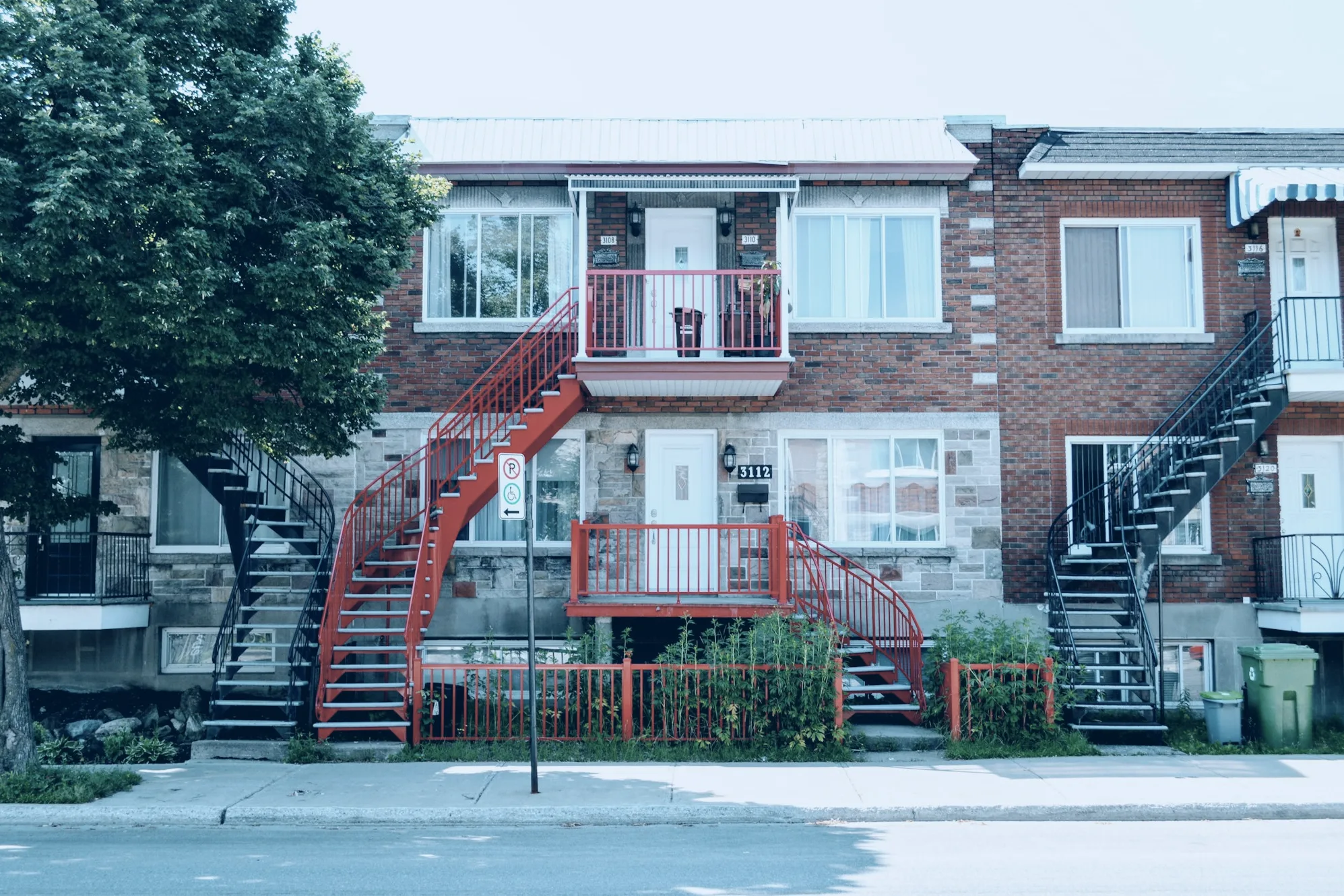
Urbanix mainly works for owners of 10 doors or more, whether that is one building of 10 to 50 units or a handful of plexes. It also manages duplexes, triplexes and sixplexes for investors who want to hand off leasing, collection and maintenance while keeping the property.
Three types of owners come up often:
If you are still weighing whether to do it yourself, self-manage or hire a property manager compares the two options hour by hour.
Onboarding starts with a full inventory: current leases, tenant list, payment history, arrears, open TAL files, service contracts and keys. Urbanix enters this data into its systems, tells tenants how to pay rent and submit maintenance requests from now on, and produces an opening report.
The steps follow a set order:
The time between signing and the first collection depends on the number of doors and the state of the files received: usually 2 to 4 weeks.
Every month, the owner receives a collection report showing, unit by unit, the rent due, the amount received, the payment method and the balance. Expenses paid for the building and the amount sent to the owner appear on a remittance notice. Useful notes, such as a payment arrangement with a tenant, are included.
The report makes it easy to spot a tenant who is starting to slip, a vacant unit that is slow to rent or an unusual expense. It also serves as evidence: if a non-payment case goes to the TAL, the payment history is already assembled. See property accounting for details.
At year end, Urbanix also prepares the RL-31 slips the landlord must give to tenants. Revenu Québec sets the filing deadline at the last day of February.
Tenants have a single point of contact for questions, payments and maintenance requests. Requests are logged, prioritized and tracked until the work is done. An emergency line, 514 416 3338, stays available for problems that cannot wait, such as a water leak or a heating failure in winter.
Good tenant relations mean fewer move-outs and fewer disputes. In practice, that comes down to quick answers, clear written notices (lease amendment notices, notice of entry for work) and consistent enforcement of building rules. When a disagreement persists, the exchange is documented, which protects the owner if the matter ends up at the TAL.
Each maintenance request gets a number, a priority and someone responsible for it. A technician or contractor does the work, then files a completion report with photos. Small repairs are handled within the limits set in the agreement; above that, Urbanix brings the owner a quote before committing to the expense.
The team includes engineers who are members of the Ordre des ingénieurs du Québec, and Urbanix holds an RBQ licence, which helps when a problem involves structure, foundations or the roof. Preventive maintenance follows a seasonal calendar: heating before winter, snow clearing on balconies and stairs, roof checks in spring. Seasonal plex maintenance in Montreal walks through that calendar, and the maintenance and repairs page explains the process.
When a tenant does not pay, pays late repeatedly or refuses a rent increase, Urbanix assembles the file for the Tribunal administratif du logement: payment history, notices sent, correspondence, photos. It files the application, tracks hearing notices and follows up on the decision. Urbanix is not a law firm and does not give legal advice.
Representation rules at hearings changed in 2024. According to the TAL, for applications filed on or after February 21, 2024, a party may be represented by a person of their choice, with a written, signed mandate if that person is not a lawyer. The TAL cases page sets out Urbanix’s exact role, and tenant not paying rent in Quebec: the steps explains the process.
Urbanix manages buildings in five Montreal boroughs: Montréal-Nord, Mercier–Hochelaga-Maisonneuve, Ahuntsic-Cartierville, Ville-Marie and Villeray–Saint-Michel–Parc-Extension. Each has its own housing stock, renter base and maintenance issues, so the approach is adjusted building by building. The office is at 3545 Ashby Street in Saint-Laurent.
If your building is in another borough, write to the team to check whether it can be taken on.
Management fees are based on the number of doors, the type of building and the services you choose. Some services, such as leasing a vacant unit or managing a renovation project, may be billed separately. Urbanix gives you a written quote after seeing the building and the leases.
The pricing page lists what the monthly fee includes and what is billed as an extra. For an overview of pricing models used in Montreal, read how much does a property manager cost in Montreal.
To get a quote, send the building address, the number of units and the services you need through the contact form, by email at operations@urbanix.ca or by phone at 514 416 3338, Monday to Saturday, 8 a.m. to 5 p.m. A visit of the building follows, then a written proposal.
Before you call, have the current rent roll, lease end dates and any planned work on hand if you can. That information lets Urbanix price the mandate accurately. Invest. Relax. We take care of the rest.
A property manager runs the building for the owner: leasing units, collecting rent, organizing maintenance and repairs, keeping the rental accounts and following cases at the Tribunal administratif du logement. The owner keeps the major decisions and receives a report every month.
Urbanix manages plexes, from duplexes to sixplexes, and buildings of 10 to 50 doors. Most of its clients are owners with 10 doors or more, whether in one building or spread across several.
Urbanix manages buildings in Montréal-Nord, Mercier–Hochelaga-Maisonneuve, Ahuntsic-Cartierville, Ville-Marie and Villeray–Saint-Michel–Parc-Extension. For a building elsewhere on the island, contact the team to check.
Yes. The management agreement sets what the manager decides alone and what needs your approval, such as the final choice of a tenant or a repair above a set amount. You receive a collection report every month.
Urbanix collects the leases, tenant list, payment history and open files, then tells tenants how to pay and where to send maintenance requests. Timing depends on the size of the portfolio: usually 2 to 4 weeks.
Fees depend on the number of doors, the type of building and the services you choose. The pricing page explains the structure, and you receive a written quote after Urbanix reviews your building.
Urbanix manages your building from start to finish. Or call 514 416 3338.
Time, TAL risk, vacancy and maintenance: an honest comparison of managing your Montreal plex yourself versus hiring a manager. Let's talk about your building.
Percentage of rents, flat fee per door, leasing fees and extras: how property management fees are structured in Montreal. Ask us for a clear, itemized quote.
Notices, showings, move-out inspection, keys, cleaning and a unit in good condition: a Montréal landlord's July 1st timeline. Talk to us about your plex.
Hello. I answer from the pages of this site: services, pricing, areas, apartments for rent, tenants. I have no access to any account or file.
Tenant emergency: 514 416 3338. Urbanix does not keep your questions. Privacy